Electric Water Heater in Snellville, GA
An electric water heater in Snellville that won't heat, runs out early or keeps tripping its reset button usually has a part that can be fixed. Here is what goes wrong and what the technician does about it.
- Element and thermostat faults found and repaired
- Reset button trips traced to the real cause
- Heat-pump replacement options explained plainly
How an electric water heater in Snellville works
An electric tank heats water with two metal heating elements that reach into the tank: one near the top and one near the bottom. Each has its own thermostat behind a small cover on the side of the tank. The upper element heats the top of the tank first, so you get some hot water quickly, then hands over to the lower element to heat the rest.
There is no burner, flame or flue, which makes an electric tank simple to place in a closet, garage or basement. The trade-off is that electric tanks usually recover more slowly than gas tanks of the same size, which shapes how a household experiences them.
Because the two elements do not normally run at the same time, an electric heater reheats a full tank of cold water gradually. That is fine for most daily routines, but it is why back-to-back showers can drain an electric tank where a gas tank of the same size would keep up. Knowing this helps make sense of the symptoms below, and it is a big part of the conversation when a replacement is being chosen.
The thermostats also set the water temperature. If someone has turned them down to save energy, or one has drifted, the result can look like a fault when it is really a setting. The technician checks this first, safely, before testing anything else.
Electric water heater element replacement and thermostat repairs
Elements are the most common failure on an electric tank. Sediment that builds up around the lower element makes it run hot and burn out, and an element can also fail simply through age. A failed thermostat can stop an element from switching on, or leave it on too long.
Electric water heater element replacement is a routine job for a technician: they isolate the power, drain the tank enough to work safely, swap the element and test the circuit before refilling. Thermostats are checked and replaced in the same visit if needed. Because these parts carry household voltage, this is not something to try yourself, and nothing on this page is a set of DIY steps.
Electric heater stopped heating? Tell us what it is doing and get help moving.
Call about a heater that won't heatElectric water heater not heating, or running out fast
If the electric water heater is not heating at all, the upper element, its thermostat or the high-limit safety switch is the usual suspect, since the upper element has to work before the lower one is ever asked to. If you get some hot water but it runs out early, the lower element is the more likely failure. Sediment, a broken dip tube or a heater that has become too small for the household can cause the same symptom.
The reset button behind the upper cover is part of the high-limit switch. It trips when water in the tank overheats, often because a thermostat has stuck or an element has shorted. If it keeps tripping, something is wrong and pressing it again only hides the problem. If the tank also crackles or rumbles while it heats, sediment is probably involved, and our water heater maintenance guide explains how flushing helps.
Heat pump water heater as a replacement option
A heat pump water heater looks like a tall electric tank with a unit on top. Instead of heating water directly with elements, it moves heat from the surrounding air into the water, using electric elements only as back-up. It needs space around it for airflow, a condensate drain and a spot that does not get too cold, and it cools the room it sits in slightly. The compressor also makes a low hum while it runs, a bit like a refrigerator, so a unit right beside a bedroom wall is worth thinking twice about. In a garage or an unfinished basement, neither the cooling nor the sound tends to bother anyone, and the cooler, drier air can even be welcome in a Georgia summer.
In Snellville's mild climate, a heat-pump model in a garage or basement can be a sensible replacement for a standard electric tank, but it is not right for every space. A technician can tell you whether your location suits one. If you are replacing, the water heater installation guide explains sizing, and the tankless water heater page covers the on-demand alternative.
Repair vs replace on an electric unit
Elements and thermostats are relatively simple repairs, so an electric tank with a sound inner tank is usually worth fixing. Replacement makes more sense when the tank is leaking or badly corroded, when sediment has built up beyond what a flush can clear, or when the heater no longer keeps up with the household. The technician gives you upfront pricing for both before any work starts.
Where electric heaters sit in Snellville homes
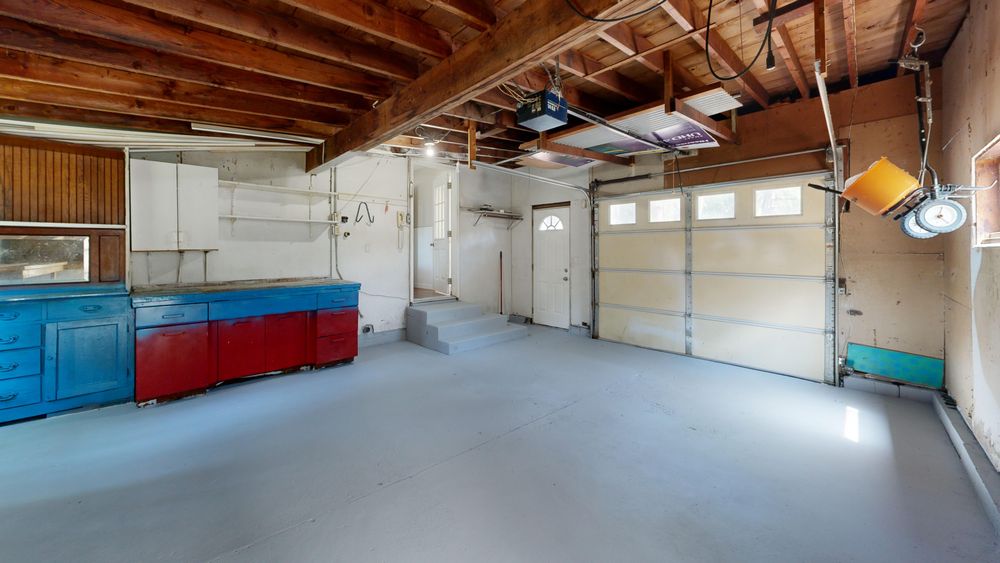
Electric heaters turn up all over the Snellville area, often in homes where the builder chose an all-electric layout. In 1990s and 2000s homes to the south, such as those near water heater repair in Country Club of Gwinnett and water heater repair in Lenora Springs, they may be in a garage, a utility closet or an attic, and larger households there sometimes find an electric tank sized for the original family no longer keeps up.
In older homes toward the town centre and North Snellville, an electric heater is more likely to sit in a basement or garage, sometimes replacing an earlier gas unit. Garage heaters work harder through the occasional hard freeze, and a lower element that was already weak often fails on the coldest mornings.
Questions about electric tanks
Answers to what people in the Snellville area ask about electric tanks.
Prefer to talk it through
Describe what the heater is doing and get a straight answer.
Speak with a local water heater proThe usual causes are a failed upper element or thermostat, or a high-limit switch that has tripped. Less often, it is a supply problem. A technician tests each part safely and finds which one has failed.
Yes. Element replacement is one of the most common electric heater repairs, and it is usually worthwhile when the tank itself is sound. The technician will also look at why the element failed, such as sediment.
The reset button belongs to a safety switch that trips when the water overheats. A stuck thermostat or a shorted element is the common cause. Leave the reset button alone and call a pro; it trips for a reason.
It can be, if the heater has a spot with enough space and air around it, a drain for condensate and temperatures that suit it. Garages and basements often work. A technician can look at your space and tell you honestly.
Often, if there is room and the electrical circuit suits the new heater. Sometimes a different model recovers better than a bigger one. The pro will look at your usage before recommending a size.
It depends on the heater, how much sediment is in the tank and whether a thermostat needs replacing too. The technician will give you an estimate once they have looked at it.
On electric heaters the lower element is a common cause, along with sediment build-up and a broken dip tube. Growing household demand can also outpace a heater that used to be enough.
Yes. Sediment collects around the lower element and shortens its life, so periodic flushing helps. Ask the technician how often it makes sense for your heater.
Get help with an electric water heater in Snellville
Elements, thermostats, resets and heat-pump options, priced before work begins. For gas or general problems, see water heater repair Snellville.