Water Heater Maintenance in Snellville, GA
Regular water heater maintenance in Snellville keeps sediment down, catches worn parts early and helps a sound tank keep working well. Here is what a service visit covers and when it is worth it.
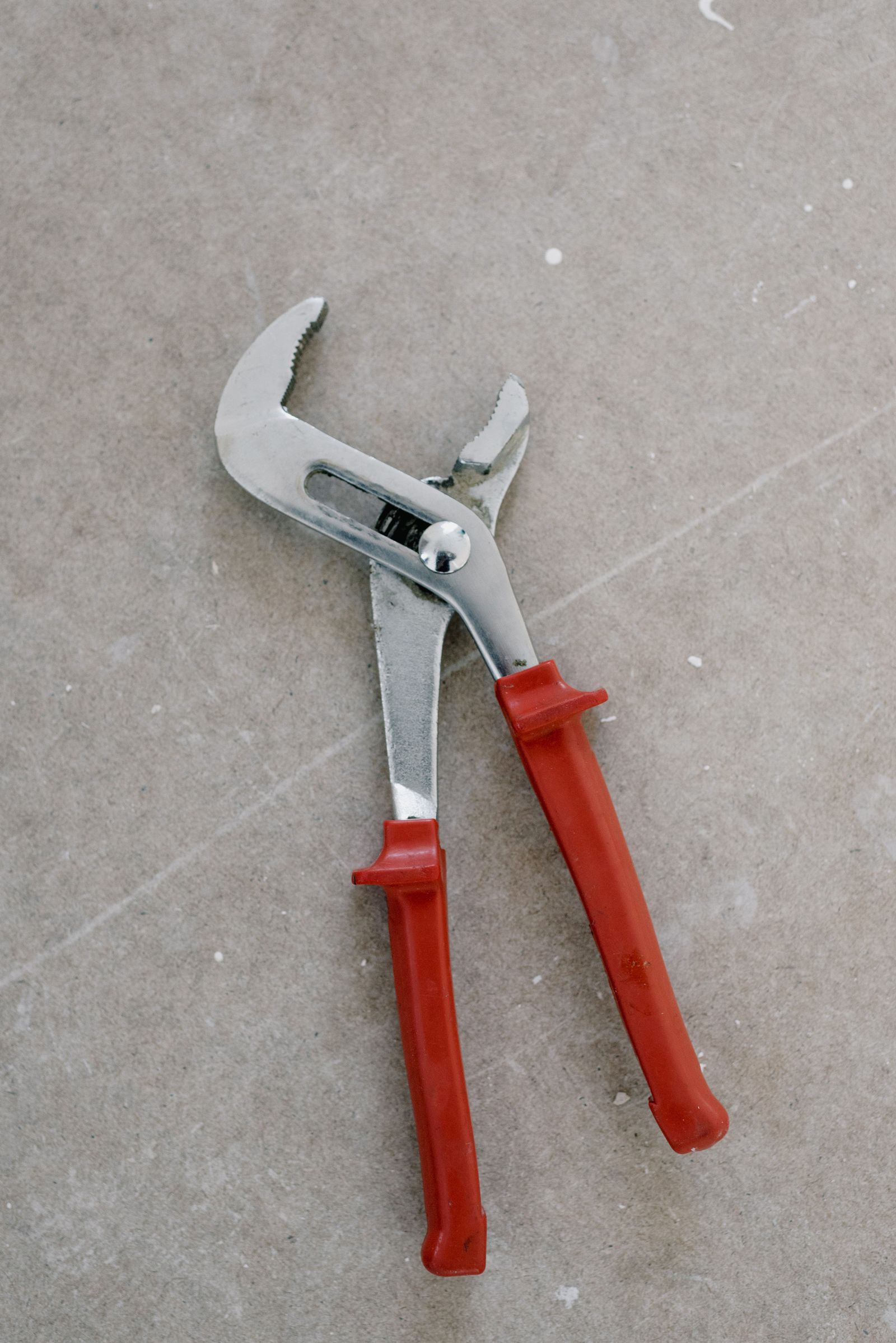
- Sediment flushed and the drain valve checked
- Anode rod inspected and replaced when worn
- Relief valve, expansion tank and tankless descaling
Water heater maintenance in Snellville: what a yearly visit includes
Water heaters are easy to forget until they stop. A maintenance visit is a chance to catch the small things before they become a no-hot-water morning or a puddle in the garage. Good water heater maintenance in Snellville is less about a fixed checklist and more about a technician looking carefully at your particular heater and its setup. A ten-year-old gas tank in a basement and a newer electric unit in an attic need different attention, and the visit should reflect that.
| What is checked | Why it matters |
|---|---|
| Sediment and drain valve | Sediment causes noise, slows heating and stresses the tank bottom; the drain valve must open and seal properly |
| Anode rod | It corrodes so the tank does not; once it is used up, the tank is exposed |
| Relief valve and discharge line | A safety device that must be able to open and pipe water to a safe place |
| Expansion tank | Absorbs pressure from heated water in closed systems; a failed one can make the relief valve drip |
| Burner, flue and venting (gas) | Clean combustion and a proper draft keep the heater running safely |
| Elements and thermostats (electric) | Early signs of wear are easier to deal with on a planned visit |
| Heat exchanger and inlet filter (tankless) | Scale and debris restrict flow and trigger error codes |
Sediment in water heater tanks and why a water heater flush helps
Every tank collects some sediment: grit and minerals that settle out of the water and sit on the bottom. On a gas heater, that layer sits between the burner and the water, which is why you hear popping or rumbling as trapped water boils underneath it. On an electric heater, sediment builds up around the lower element and makes it run hotter than it should.
A water heater flush drains water out through the drain valve until it runs clear, carrying sediment with it. Metro Atlanta water is generally soft, so sediment and age tend to matter more here than heavy scale, but a flush still helps most tanks. It is most effective as regular care. On a tank that has gone many years without one, the technician will judge whether flushing is still wise, because disturbing a thick, hardened layer can sometimes cause a drain valve to clog or leak.
Hearing rumbling from the tank? A flush may help if it is caught early.
Ask what your heater needsThe anode rod: checks and anode rod replacement
Inside every steel tank is an anode rod, a metal rod screwed into the top. It corrodes on purpose, so the tank lining does not. Once the anode is used up, corrosion moves to the tank itself, and a tank that rusts through cannot be repaired.
Checking the anode means removing it, which takes the right tools and sometimes clearance above the heater. If it is badly worn, anode rod replacement is a small job compared with replacing a tank. If your hot water smells like rotten eggs, the anode is often involved, and the technician can suggest a different anode material that may help.
Relief valve and expansion tank checks
The temperature and pressure relief valve is the heater's most important safety device. The technician checks that it is fitted correctly, that its discharge pipe runs to a safe spot and that it is not dripping or crusted. Testing it can cause an old valve to leak afterwards, which is one reason it is a job for a pro rather than a homeowner.
In homes where heated water cannot expand back into the supply, an expansion tank absorbs the extra pressure. The technician checks that it is working and correctly charged. A failed expansion tank is a common reason a relief valve starts to drip.
Tankless descaling
Tankless units need care too. Minerals build up in the heat exchanger over time, even on softer water, and the inlet filter catches debris. Descaling circulates a cleaning solution through the unit using its service valves, then the filter is cleaned and the unit is tested. If your unit has no service valves, the technician can fit them so future descaling is simpler. Our tankless water heater guide explains more about how these units work.
When maintenance is no longer worth it
Maintenance helps a sound heater. It does not bring back a tank that is leaking from the body, badly rusted at the base or needing repair after repair. If the technician finds rust seeping from the tank or water under the jacket, the honest advice is to plan a replacement before it fails at a bad moment. Our leaking water heater guide explains what a failed tank looks like, and the water heater installation page covers choosing the next one.
Maintenance in Snellville homes
Many homes in North Snellville, including those near water heater repair in Summit Chase and water heater repair in Snellville North, have heaters in basements or garages with good access, which makes flushing and anode checks straightforward. Some older basement installs have little headroom above the tank, and the technician may need a flexible anode to replace a worn one.
In attic and upstairs-closet installs common in newer homes to the south, maintenance doubles as a leak check: a look at the drain pan, the relief valve line and the fittings above a ceiling is worth a lot. Basement installs in older lake homes, like those in Norris Lake Shores, get the same leak-path check. Garage heaters across the area also benefit from a quick look at pipe insulation before winter, when an exposed line on an outside wall is most at risk.
Water heater maintenance questions
What people ask before booking a service visit.
Prefer to talk it through
Describe what the heater is doing and get a straight answer.
Speak with a maintenance techIt depends on your water, the heater and how much it is used. Many homeowners have it done as part of a regular service. The technician can look at what comes out on the first flush and suggest a sensible interval.
It is a sacrificial metal rod that corrodes instead of the tank. When it is used up, the tank starts to corrode, so checking and replacing it in time helps protect the tank.
A sulfur smell from hot water often comes from a reaction inside the tank involving the anode rod. A technician can check the anode and suggest a different type that may reduce it.
Often, if sediment is the cause and it has not hardened into a thick layer. On heavily scaled tanks the noise may persist. The technician will tell you honestly what to expect.
If the tank is sound, yes, it can help it keep working well. If it is already rusting or leaking, money is better spent on planning a replacement. The technician will say which applies.
It involves hot water, the drain valve and, on gas units, the gas control, and an old drain valve can fail to reseal. For most homeowners it is safer to have a technician do it and check the other parts at the same time.
Yes. Descaling the heat exchanger and cleaning the inlet filter keep it running well and help prevent error codes. How often depends on your water and usage.
Typically sediment and the drain valve, the anode rod, the relief valve and discharge line, any expansion tank, and the burner and venting or the elements and thermostats. The technician adapts the visit to your heater.
Book water heater maintenance in Snellville
Flushing, anode checks and descaling with the price explained up front. For repairs, see water heater repair Snellville.