Gas Water Heater in Snellville, GA
A gas water heater in Snellville that won't light, keeps losing its pilot or makes the house smell odd needs a calm, careful look. Here is how these heaters work and what a technician checks.
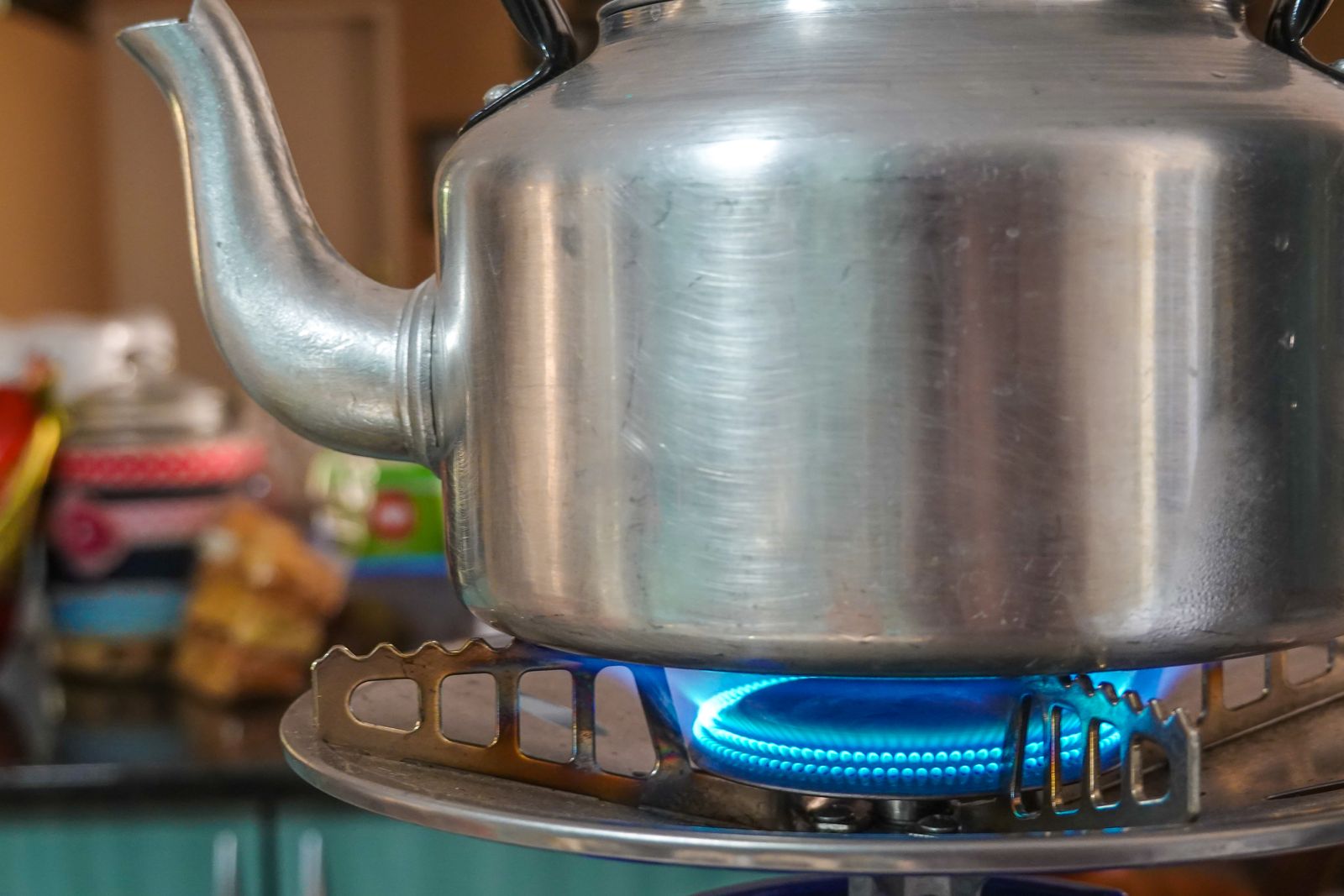
- Pilot, thermocouple, burner and gas-control faults
- Venting and draft checked on every visit
- Clear repair or replacement options, priced first
How a gas water heater in Snellville works
A gas tank heater is simple at heart. Cold water enters through a dip tube that carries it to the bottom of the tank. A burner underneath heats it, and the hot water rises to the top where it leaves for your taps. A thermostat in the gas control valve tells the burner when to fire, and a pilot flame or an electronic igniter lights it.
The exhaust from that burner rises through a flue in the middle of the tank and out through a vent pipe to the outside. Keeping that path clear and drawing properly is one of the most important things a technician checks on any gas water heater in Snellville.
Pilot light keeps going out? Thermocouple problems and other causes
When the pilot light keeps going out, the heater is usually protecting itself. On many models a thermocouple sits in the pilot flame and generates a tiny signal that keeps the gas control open. If the thermocouple is worn, dirty or out of position, the gas control thinks the flame has gone and shuts the gas off. Newer units use a flame sensor or a thermopile in a similar way.
Other causes include a dirty pilot tube, a draft blowing the flame out, a problem with the flammable-vapour sensor that many modern heaters have, or a gas control that is failing. Thermocouple problems are among the most common gas heater repairs, but they are not a DIY job. Please don't keep relighting the pilot; each attempt involves gas, and a pilot that keeps failing is telling you something.
Pilot out again? Describe what happens when it goes out and get a straight answer.
Get a straight answer by phoneBurner and gas-control problems
A burner that lights but gives a weak, lazy or yellow flame may be dirty or starved of air. A popping or rumbling sound while it fires is usually sediment on the tank bottom rather than the burner itself. If the burner never lights even though the pilot is on, the gas control valve or its thermostat may have failed.
The technician checks the flame, cleans the burner area where appropriate and tests the gas control. If the control has failed on an older tank, they will talk you through whether replacing that part or the whole heater makes more sense.
Venting and draft: why it matters
Every gas water heater needs to send its exhaust outside. A standard atmospheric heater relies on hot exhaust rising through the vent, which only works if the vent is the right size, slopes correctly and is clear all the way up. A technician checks the draft with the heater running and looks for signs of spillage around the top of the heater, such as scorch marks or rust.
Burners also need enough air to burn cleanly. A gas heater shut inside a small closet, or boxed in when a basement was finished, can be starved of combustion air, which shows up as a lazy flame, soot or a pilot that struggles. The technician checks the room size and any louvered door or air vent as part of the visit.
This is why a carbon monoxide alarm near any gas appliance is so worthwhile. If a CO alarm sounds, leave the home and call 911.
Power-vent and direct-vent models
Not every gas heater vents the same way. A power-vent model uses a fan to push exhaust out, often through a side wall with plastic pipe, which helps where a chimney route is not available. It needs an electrical outlet nearby. A direct-vent model draws combustion air from outside and sends exhaust back out through a sealed pipe, which suits tight spaces. Each type has its own common faults, and the technician will know what to check on yours. Power-vent fans can wear out or trip a pressure switch, and direct-vent terminations on an outside wall can be blocked by plants, leaves or wasp nests.

Gas water heater replacement: repair or replace?
If the tank is sound and a single part such as a thermocouple, igniter or burner assembly has failed, repair is usually worthwhile. If the tank is leaking, heavily rusted, or has needed several repairs, gas water heater replacement is often the better long-term choice. In most homes a new gas tank of the same size fits the existing gas line and vent, which keeps the job straightforward.
If you are replacing, our water heater installation guide covers sizing and installation day. Some homeowners consider switching fuel; the electric water heater page explains what an electric or heat-pump heater would need. Regular flushing and anode checks help any gas tank last, and the water heater maintenance page covers them.
Gas heaters in Snellville homes
Gas is common across the Snellville area. In the late-1960s and 1970s homes of North Snellville, such as those near water heater repair in Nob Hill Estates and water heater repair in Chimney Hills, the gas heater often shares a basement or garage with the furnace and a common vent. When either appliance is replaced, the shared vent needs to be checked so it still suits both.
In newer homes to the south, a gas heater may sit in a closet or attic, sometimes as a power-vent model. Garage units across the area should have their burner raised off the floor and kept clear of stored fuel, paint and solvents.
Gas water heater questions
What Snellville homeowners ask about gas tank heaters.
Prefer to talk it through
Describe what the heater is doing and get a straight answer.
Talk to a local water heater proThe most common reason is a worn or dirty thermocouple or flame sensor that tells the gas control the flame has gone. Drafts, a dirty pilot tube or a failing gas control can also cause it. A technician can find the cause; please don't keep relighting it.
It sits in the pilot flame and produces a small signal that keeps the gas control open. If the flame goes out, the signal stops and the gas shuts off. It is a safety part, and when it wears out the heater stops heating.
Usually because sediment has built up on the bottom of the tank, trapping water that boils as the burner fires. Flushing can help if it is caught in time. The technician will check the burner as well to rule out other causes.
In most cases, yes, and it is often the simplest option because the gas line and vent are already in place. The technician will still confirm the vent and connections suit the new unit.
It is a gas heater with a fan that pushes exhaust out through a vent pipe, often to a side wall. It is useful where a traditional chimney vent is not available, but it needs an electrical outlet and has a fan that can wear out.
Regular flushing, an anode check and a look at the burner and venting help a gas heater run well and catch problems early. How often depends on the heater and your water. The technician can suggest a sensible routine.
Leave the home immediately and call the gas utility and 911 from outside. Do not try to find the leak yourself. A technician can look at the heater once it has been made safe.
You can, but it means a new electrical circuit, possibly panel work by an electrician, and capping the gas line. Electric and heat-pump models also recover differently. The pro will explain the trade-offs before you decide.
Book a gas water heater visit in Snellville
Pilot, burner, venting or replacement, with upfront pricing before work. For other problems, see water heater repair Snellville.