New Water Heater Installation in Snellville, GA
Water heater installation in Snellville done properly: the right size and fuel for your household, fitted to the space you have, vented and tested before the technician leaves.
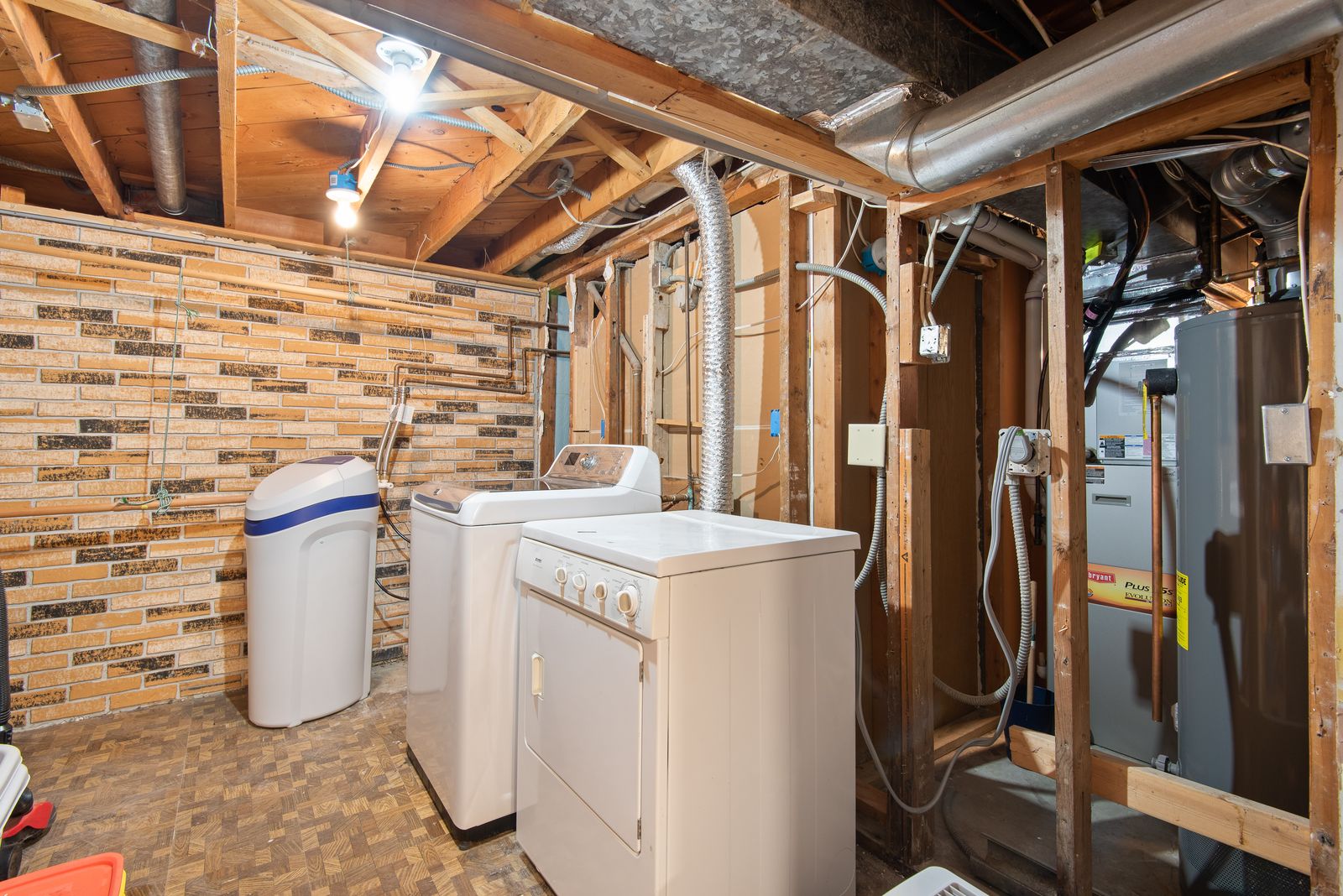
- Sized to how many people shower in the morning, not guesswork
- Gas, electric, heat-pump or tankless explained honestly
- Old heater disconnected and the new one tested with you
Planning a water heater installation in Snellville
Most people start thinking about a new heater on a bad day: the tank is leaking, or a repair quote came back and the unit is old enough that fixing it feels like throwing money at a lost cause. That is exactly when it pays to slow down for five minutes, because a new heater is something you will live with for a long time.
A good water heater installation in Snellville starts with three questions. How much hot water does the household use at its busiest time? What fuel and venting are already in place? And where does the heater have to sit? The answers decide whether you replace like for like, step up a size, or look at a different type altogether.
Water heater sizing for your household
Tank size on its own does not tell the whole story. What matters is how much hot water the heater can deliver during your busiest hour, usually the morning rush when two or three showers run back to back, the dishwasher is on and someone starts a load of laundry.
Two figures on the label help here. The first-hour rating describes how much hot water the heater can supply in an hour starting with a full tank, and the recovery rate describes how quickly it reheats. A gas tank usually recovers faster than an electric tank of the same size, which is why a family that runs out of hot water on an electric unit is sometimes better served by a different model rather than simply a bigger one.
The technician will ask who lives in the home, how many bathrooms you have, whether you have a large soaking tub and whether anyone works shifts. That conversation is the real water heater sizing step, and it is far more useful than any chart.
Not sure whether to go bigger, smaller or tankless? A two-minute call usually narrows it down.
Call to talk through sizingGas, electric, heat-pump or tankless: how the pro helps you choose
Replacing like for like is usually the simplest path, because the gas line, venting or electrical circuit is already there. Switching types is possible, but it brings extra work that should be explained clearly before you decide.
| Type | What it needs | Worth knowing |
|---|---|---|
| Gas tank | Gas supply, a gas control valve and a working flue or power vent | Quick recovery; venting must be checked on every install |
| Electric tank | A dedicated circuit sized for the heater | Simple to fit; slower recovery than gas of the same size |
| Heat-pump | Electric supply, room around the unit for airflow and a condensate drain | Pulls heat from the surrounding air, so placement matters |
| Tankless | Correct gas line or electrical capacity, dedicated venting and good water flow | No stored tank to run empty; needs periodic descaling |
If you are curious about going tankless, our tankless water heater guide covers the gas line, venting and flow questions in more depth. For many Snellville households a well-chosen tank is still the most practical answer, and a good pro will tell you so.
What happens on installation day
On the day of a new water heater install, the technician shuts off the gas or power and the water supply, drains the old tank and disconnects it. The new heater is set in place, often on a fresh drain pan, and connected to the water lines with new fittings. Gas units are connected to the supply and the venting is checked from the heater all the way out; electric units are wired to their circuit.
Before anything is switched on, the tank is filled completely so the elements or burner never heat an empty tank. The technician then lights or powers it up, checks for leaks at every joint, confirms the temperature and pressure relief valve is fitted with a proper discharge line, and sets the thermostat. Ask them to walk you through the shut-off valve and the label before they go; it makes any future call much quicker.
Ask whether the old heater will be hauled away. Most pros include removal, but it is worth confirming on the phone so there are no surprises.
Expansion tank installation, venting and drain pans
When a tank heats water, the water expands. In homes with a closed plumbing system, for example where a check valve or pressure regulator stops water flowing back to the street, that extra volume needs somewhere to go. An expansion tank gives it room. The technician will tell you whether your home needs one and whether expansion tank installation makes sense alongside the new heater.
Venting is the part of a gas installation you should never cut corners on. The flue has to carry combustion gases safely outside, and a new heater may need changes to the existing vent. A drain pan under the tank, piped to a safe spot where possible, limits the damage if the heater ever leaks. In a garage it is a nice extra; in an attic or upstairs closet it is essential.
Permits and inspections
Whether a permit or inspection applies depends on where you live and on the work involved, and the rules are not the same everywhere in the Snellville area. Ask the pro about it on the phone or before work starts. They deal with this regularly and can tell you what applies to your address.
Water heater installation in Snellville garages, closets, basements and attics
Where the heater sits shapes the whole job. In the 1970s and 80s homes of North Snellville, the heater is often in the garage or a basement, which makes access straightforward but means checking that a gas unit's burner sits clear of anything stored nearby. Garages that dip close to freezing on a hard winter night are another reason to look at pipe insulation while the work is under way.
Town-centre homes from the late 1950s have usually had several heaters already, and each installer may have left their own connections and venting behind. The technician sorts that out rather than simply copying it. In the 1990s and 2000s two-stories of South Snellville, some heaters live in the attic or an upstairs closet. Those jobs need careful planning for carrying the new unit in and a drain pan with a proper outlet. If the old tank failed by leaking, our leaking water heater page explains what to check for damage underneath.
The pros we connect you with work right across the area, including homes near water heater repair in Summit Chase and water heater repair in Snellville North, so they know what layouts to expect, from older north-side homes to the family-size houses of Scenic Mountain.
If you still have water but it is running out fast, it may not need replacing yet. Our no hot water guide explains what a technician checks first.
Ready to replace an old heater? Get a price for each option before any work starts.
Get upfront pricing on the phoneWater heater installation questions
What Snellville homeowners usually ask before a new heater goes in.
Prefer to talk it through
Describe what the heater is doing and get a straight answer.
Speak with an install techIt depends on the type of heater, where it sits and whether venting, gas or electrical work needs changing. A like-for-like swap in a garage is very different from an attic install or a switch to tankless. The technician will give you a realistic estimate for your home before starting.
Often, yes, as long as the space, the gas line or circuit and the venting can support it. Sometimes a faster-recovering model solves the problem better than a larger tank. The pro will look at your household's usage and suggest what will actually help.
Homes with a closed plumbing system usually need somewhere for heated water to expand, and an expansion tank provides that. Whether yours is closed depends on what is installed at the supply side. The technician checks this as part of the installation.
Most installers remove the old unit, but confirm it when you call. Knowing up front avoids having an empty tank left in your garage.
That varies by location and by the work involved. Ask the pro when you book; they can tell you what applies at your address and how it will be handled.
It can, but moving a heater means rerouting water lines and possibly gas, venting or electrical supply, plus a safe drain path. The technician will explain what is involved and whether the new spot is practical.
If you already have gas and a working flue, gas is usually simpler and recovers faster. Electric and heat-pump units avoid combustion venting but need the right circuit and placement. The pro will walk you through the trade-offs for your house.
Ask for the price of each option, what is included, whether the old unit is removed, what the workmanship guarantee covers and whether anything like an expansion tank or vent change is needed. A good technician is happy to answer all of it.
Book water heater installation in Snellville
Tank, tankless or heat-pump, sized for your home with the price explained first. For repairs on an existing heater, see water heater repair Snellville.