Leaking Water Heater in Snellville, GA
A leaking water heater in Snellville needs attention today. Take the safe steps below, then call so a local technician can find where the water is coming from and stop the damage spreading.
- Smell gas? Leave and call the gas utility and 911 from outside
- Close the cold-water valve on top of the heater if you can reach it safely
- Keep everyone away from hot water and wet floors, then call
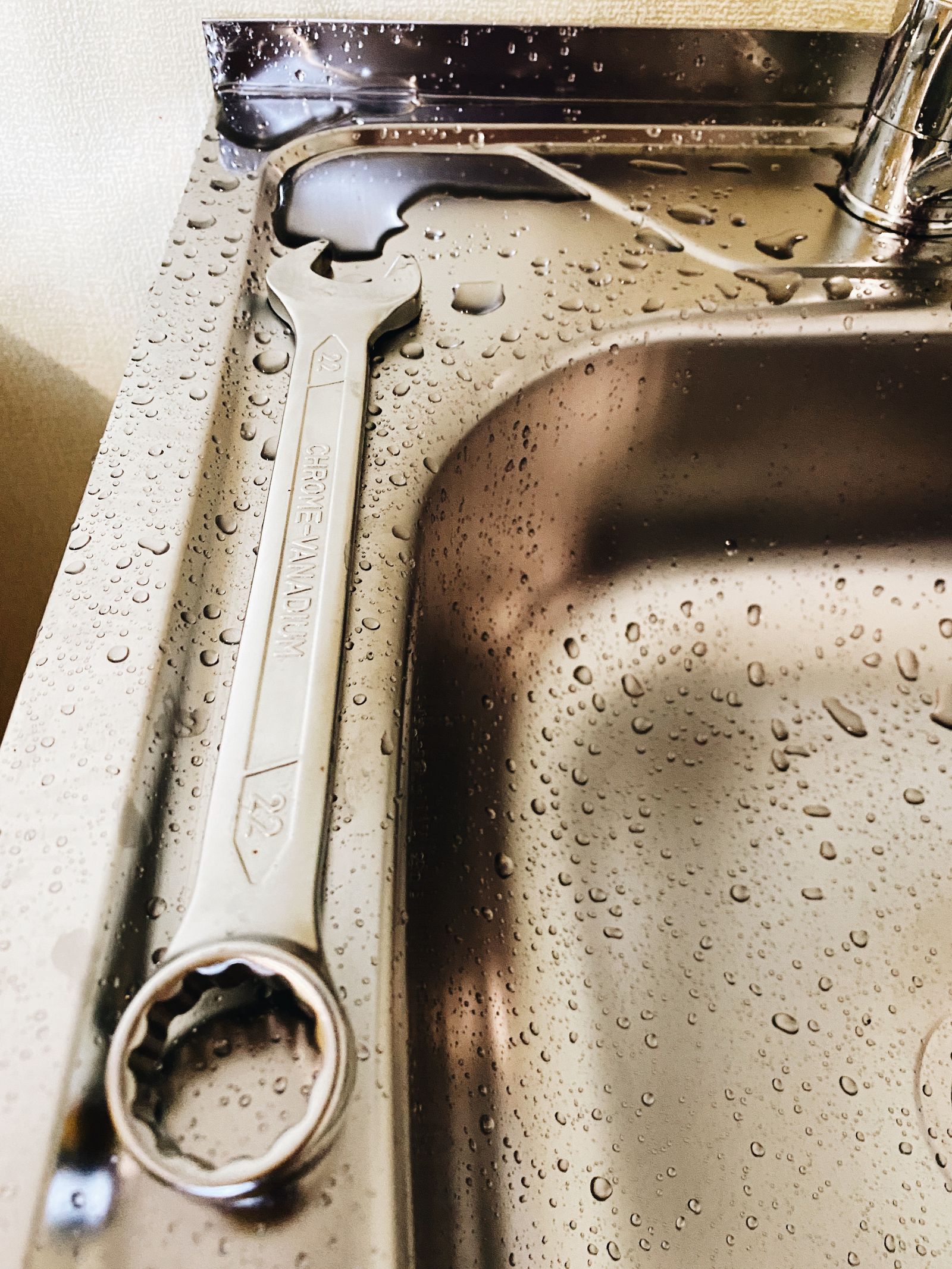
- Safe first steps you can take before help arrives
- Source found: fitting, relief valve, drain valve or tank
- Repair when possible, replacement when the tank has failed
Leaking water heater in Snellville: what to do right now
Water around the heater is stressful, but most leaks can be brought under control quickly if you take a few calm steps. These are the only things you should do yourself.
- If you smell gas, stop. Leave the home and call the gas utility and 911 from outside.
- If you can reach it safely, close the cold-water valve on the pipe at the top of the heater. That stops the tank refilling and limits the water that can escape.
- Keep children, pets and yourself away from hot water and wet floors.
- Move boxes and anything stored nearby out of the way, and put towels down to slow the spread.
- Note the model label and the age if it is easy to read.
Do not open the relief valve, drain the tank, relight a pilot or touch electrical controls. Leave all of that to the technician who comes out.
Water still spreading after you closed the valve? Call now and describe what you see.
Reach the on-call teamWater heater leaking from bottom? Where it really comes from
A leaking water heater in Snellville is not always a failed tank. The water collects at the bottom because that is where gravity takes it, but the source can be several places higher up. Finding it is the first thing a technician does.
- Pipe fittings at the top. Cold and hot water connections can loosen or corrode. Water runs down the outside of the tank and looks like a bottom leak.
- Relief valve and discharge pipe. The temperature and pressure relief valve opens to release excess pressure or heat. A drip from its pipe can mean the valve is worn, or that pressure or temperature in the tank is too high. Either way it needs checking, not plugging.
- Drain valve. The valve near the bottom used for flushing can drip if it is worn or was not closed fully.
- The tank itself. Rust streaks, seepage from the body or water from under the jacket usually mean the inner tank has corroded through.
- Condensation. A gas heater filling with cold water can form drips on the outside that sizzle on the burner. This settles once the water warms, but the technician can confirm it is not a real leak.
Relief valve leaking: why it matters
A relief valve leaking is a symptom as much as a fault. The valve is a safety device, so the technician looks at why it is opening: thermostat settings, pressure in the plumbing, or a closed system without room for expansion. Replacing the valve without asking why can mean the next one leaks too. Never cap or block the discharge pipe.
Leaks that can be repaired vs a tank that has failed
If the leak is at a fitting, a valve or a pipe connection, it can usually be repaired and the heater kept in service. If the inner tank has rusted through, there is no repair: the heater needs replacing. The technician will show you where the water is coming from and give you upfront pricing for each option before any work starts.
The fuel matters too. If the leak has reached the burner area of a gas unit, see our gas water heater guide; if water is near the element covers on an electric unit, the electric water heater page explains why power must be left to the pro.
Water around water heater: protecting floors, closets and ceilings
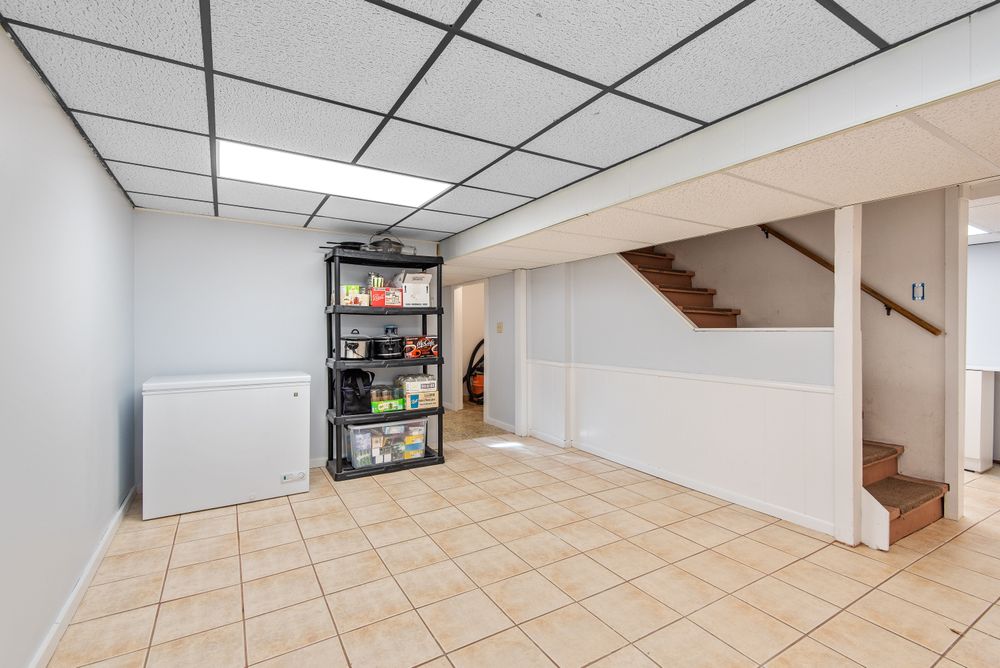
Where the heater sits decides how much damage a leak can do. In a garage, water usually runs to the door or a floor drain. In a basement, it soaks into anything stored on the floor and can wick into finished walls. In an upstairs closet or an attic, water around the water heater can come through the ceiling below, which makes those leaks the most urgent of all.
Once the source is fixed, dry the area thoroughly and keep an eye on flooring, baseboards and drywall for the next few days. If you think water reached a ceiling, wall cavity or subfloor, it is worth asking your insurer how they want it documented.
Replacement after a tank leak
When the tank has failed, the technician talks you through a replacement: the same size and fuel, a different size, or a different type altogether. A new drain pan under the heater, piped to a safe spot where possible, is a sensible addition, especially indoors. Some homeowners also add a simple leak alarm or an automatic shut-off valve for peace of mind.
Leaking water heaters in Snellville homes
Homes in the south of the Snellville area, such as the subdivisions around water heater repair in Country Club of Gwinnett and water heater repair in Lenora Springs, include two-story plans built in the 1990s and 2000s where the heater may sit in the attic or an upstairs closet. Heaters from that era may now be original or on their first replacement, and a leak overhead is the kind of call that should not wait.
In the older brick homes near the town centre and the 1970s and 80s subdivisions to the north, heaters are more often in the garage or a basement. Those leaks are easier to contain but can go unnoticed for a while, so a damp drain pan or rust at the base is worth a call even if the floor looks fine.
Once the leak is fixed, a heater that was short of hot water before may still need attention. Our no hot water guide covers what else a technician looks at.
Leaking water heater questions
Straight answers for the moment you find water on the floor.
Prefer to talk it through
Describe what the heater is doing and get a straight answer.
Speak with someone about the leakIt can be. The water may be very hot, wet floors are slippery, and leaks near gas burners or electrical parts need professional attention. Follow the safe steps on this page and keep people away until a technician has looked at it.
If the water is coming from a fitting, valve or connection, usually yes. If the tank itself has corroded through, it cannot be repaired and the heater needs replacing. The technician will confirm which it is before recommending anything.
The relief valve opens when pressure or temperature inside the tank gets too high, or it drips because the valve itself is worn. It is a safety device, so it should be checked by a pro rather than capped or ignored.
If you can reach the cold-water valve on top of the heater safely, closing it stops the tank refilling and limits the leak. If you cannot reach it safely, leave it and call. Do not try to drain the tank yourself.
Condensation tends to appear on gas units when they fill with cold water and fades as the tank warms. Water that keeps pooling, comes from the jacket or leaves rust marks is a real leak. A technician can tell the difference quickly.
If the tank has failed, it should be replaced as soon as practical, because the leak usually gets worse. If the leak is at a valve or fitting, a repair may be all that is needed. Either way, call promptly.
That depends entirely on your policy and the circumstances. Ask your insurer directly, and take photos of the damage and the heater label before anything is moved.
It is better not to. Using hot water draws more cold water into the tank, which keeps the leak going. Keep the cold-water valve closed if you were able to close it, and wait for the technician.
Stop a leaking water heater in Snellville today
Calls answered 24/7, with same-day and emergency dispatch where available. Something else wrong with the heater? Start at water heater repair Snellville.